1
Delay, don't deny
Don't say "never again"; say "not now". Delay each craving wave by 5 minutes. Often it will already feel weaker afterwards.
Complete guide
Nicotine withdrawal can become noticeable within a few hours after your last cigarette, and the acute phase usually lasts 3 to 14 days. In under 10 minutes you'll learn what to expect, what the timeline looks like and what can help – based on current sources and the experience behind over 1.7 million Flamy downloads.
Last updated: June 10, 2026 · Reviewed by the Flamy editorial team
Nicotine can be highly addictive. When you stop smoking, your body and brain have to adjust to the missing nicotine stimulus. That's what you feel as withdrawal: restlessness, irritability, trouble concentrating and cravings. The good news: this phase is time-limited. For many people, physical symptoms become noticeably weaker after the first few days.
Not everyone experiences all symptoms – but most smokers know at least 4 or 5 of them. Severity depends on how long and how much you smoked.
| Symptom | Duration | What helps |
|---|---|---|
| Cravings for cigarettes | 3–10 min per wave, several waves a day | Drink water, do 4-7-8 breathing, step outside. Craving waves usually pass again after a few minutes. |
| Irritability & mood swings | 2–4 weeks | Warn family and colleagues. Exercise burns off stress hormones. Don't pick fights in acute mode. |
| Trouble concentrating | 1–2 weeks | Schedule important tasks for the morning. Pomodoro sprints (25 min) instead of marathon sessions. |
| Sleep problems | 1–3 weeks | No caffeine after 2 PM, no screens 60 min before bed, cool bedroom (64 °F). |
| Increased hunger / weight gain | Several weeks to months | Protein and vegetables instead of sweets. Sugar-free gum, carrots and water are your friends. |
| Headaches | First 3–5 days | Hydrate (at least 2.5 L), get fresh air, ibuprofen if needed. |
| Coughing & mucus | 1–4 weeks | This is a great sign! Your lungs are cleaning themselves. Steam inhalation with salt water helps. |
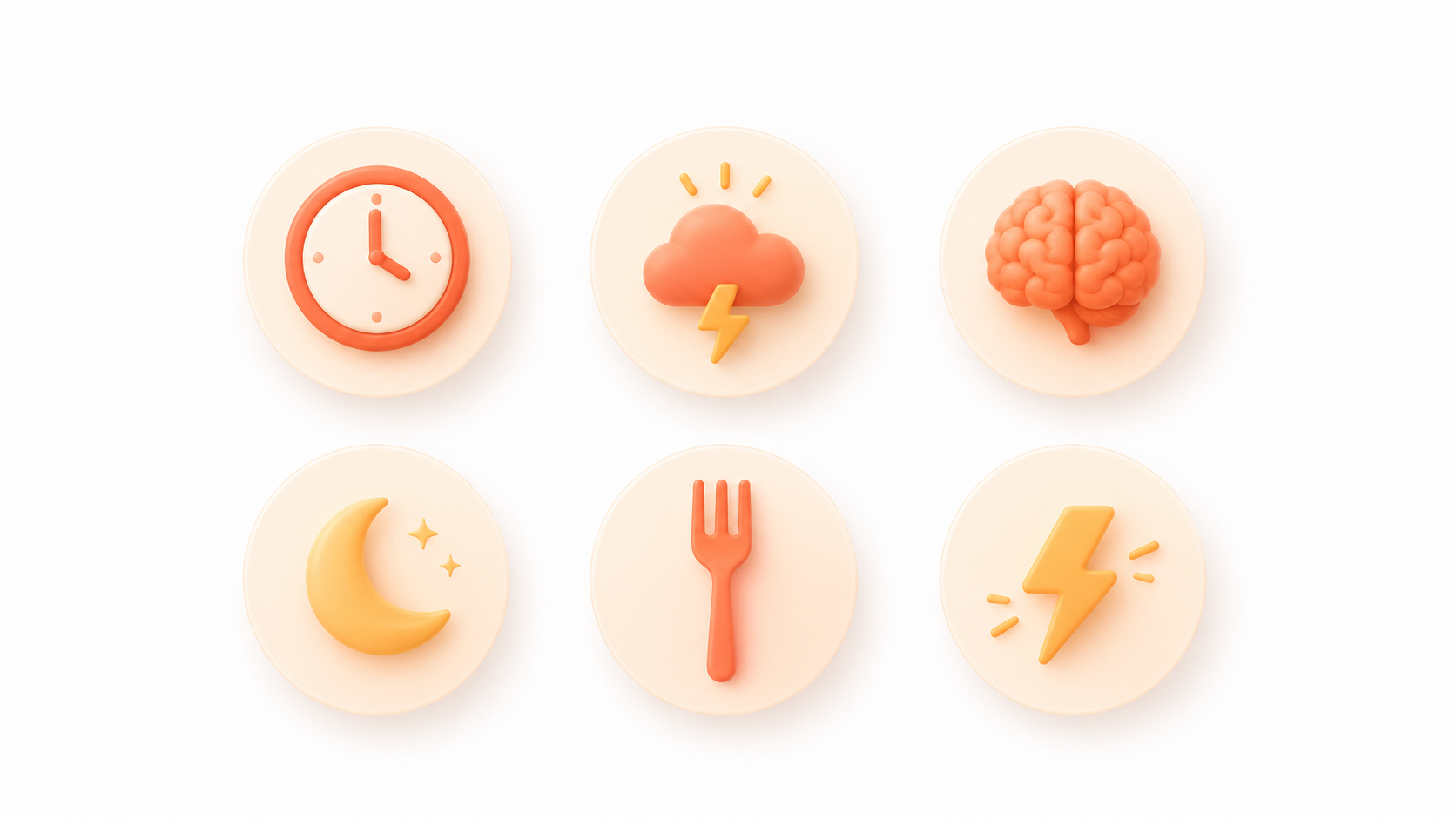
The moment you put out your last cigarette, your body starts to heal. Here's what happens in the first weeks and months.
After 20 minutes
Your heart works more relaxed immediately. Blood circulation in hands and feet measurably improves.
After 8 hours
Carbon monoxide in your blood drops by half. More oxygen reaches muscles and brain.
After 24 hours
The risk of a heart attack measurably falls. First cravings can be intense – but they last only minutes.
After 48 hours
Food suddenly tastes more intense. This is also peak physical withdrawal – it gets easier from here.
After 72 hours
Most nicotine has been cleared. Many people start to notice that breathing gradually feels easier.
After 1 week
Acute physical symptoms fade noticeably. Energy and sleep quality begin to recover.
After 2 weeks
Climbing stairs may feel easier and circulation more stable. For many people, cravings become less frequent and less intense.
After 1 month
Better skin tone, fewer colds, more energy. You've already saved around $200 (at 1 pack/day).
After 3 months
Sport feels good again. Psychological cravings only show up in specific situations – and are manageable.
After 1 year
Your cardiovascular risk keeps falling with every smoke-free month. After 1 to 2 years, heart attack risk drops sharply.
After 10 to 15 years
Your added lung cancer risk is about half that of someone who continues to smoke. Time invested: priceless.
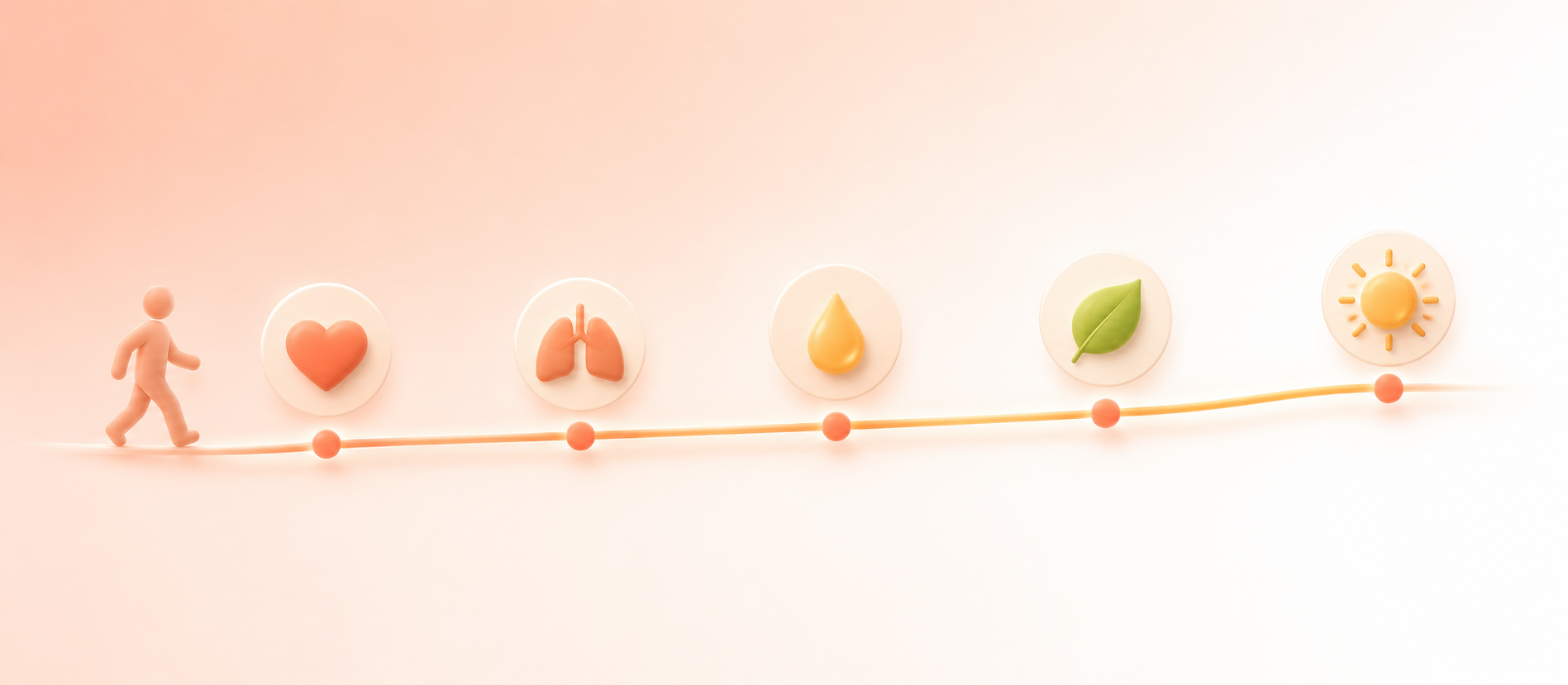
These 7 strategies are based on established quit-smoking recommendations and are practical in everyday life. Combine them for the best results.
Don't say "never again"; say "not now". Delay each craving wave by 5 minutes. Often it will already feel weaker afterwards.
Note every situation where you usually smoke. Plan a swap for each: coffee → tea, break → walk, stress → breathing.
Breathe in for 4 sec, hold for 7, exhale for 8. Three rounds can help you get through an acute craving.
Just 10 minutes of movement can help reduce acute cravings. Best: every morning and after meals.
Drinking regularly helps with dry mouth, substitute snacking and the automatic reach for a cigarette. Water is a simple interruption in the first days.
Put the money you save in a visible jar. Define rewards for day 7, 30 and 90 – something you really want.
An app like Flamy does not replace medical advice, but it can structure your everyday quit: instant help, tracking, trigger journal and visible progress.
Not every method fits every smoker. This overview shows typical strengths and limits of the main approaches.
| Method | Success rate | Pro | Con |
|---|---|---|---|
| Cold turkey (no help) | 3–7% after 6–12 months | Free, start immediately | Low success, high relapse risk |
| Nicotine patch / gum | 15–25 % | Eases physical symptoms, well researched | Doesn't address psychological addiction |
| Varenicline (Chantix) / Bupropion | 20–35 % | High success, eases cravings | Prescription only, possible side effects |
| Behavioural therapy | 20–30 % | Addresses root causes, sustainable | Appointments needed, often costly or with waitlists |
| Quit smoking app Flamy | 80.26 % after 30 days; 69.82 % after 100 days** | 24/7 available, free to start, combinable | Requires daily mini-discipline |
Sources: studies of untreated or unaided quit attempts report about 3–5% abstinence after 6–12 months; one meta-analysis estimates 7.33% after an average of 10 months. Cochrane Reviews, CDC, German Medical Association tobacco cessation guideline. **Flamy: internal analysis of our Pro users, as of May 14, 2026; 29,165 Pro users were smoke-free after at least 30 days, 25,373 after at least 100 days. Not equivalent to clinical abstinence rates.
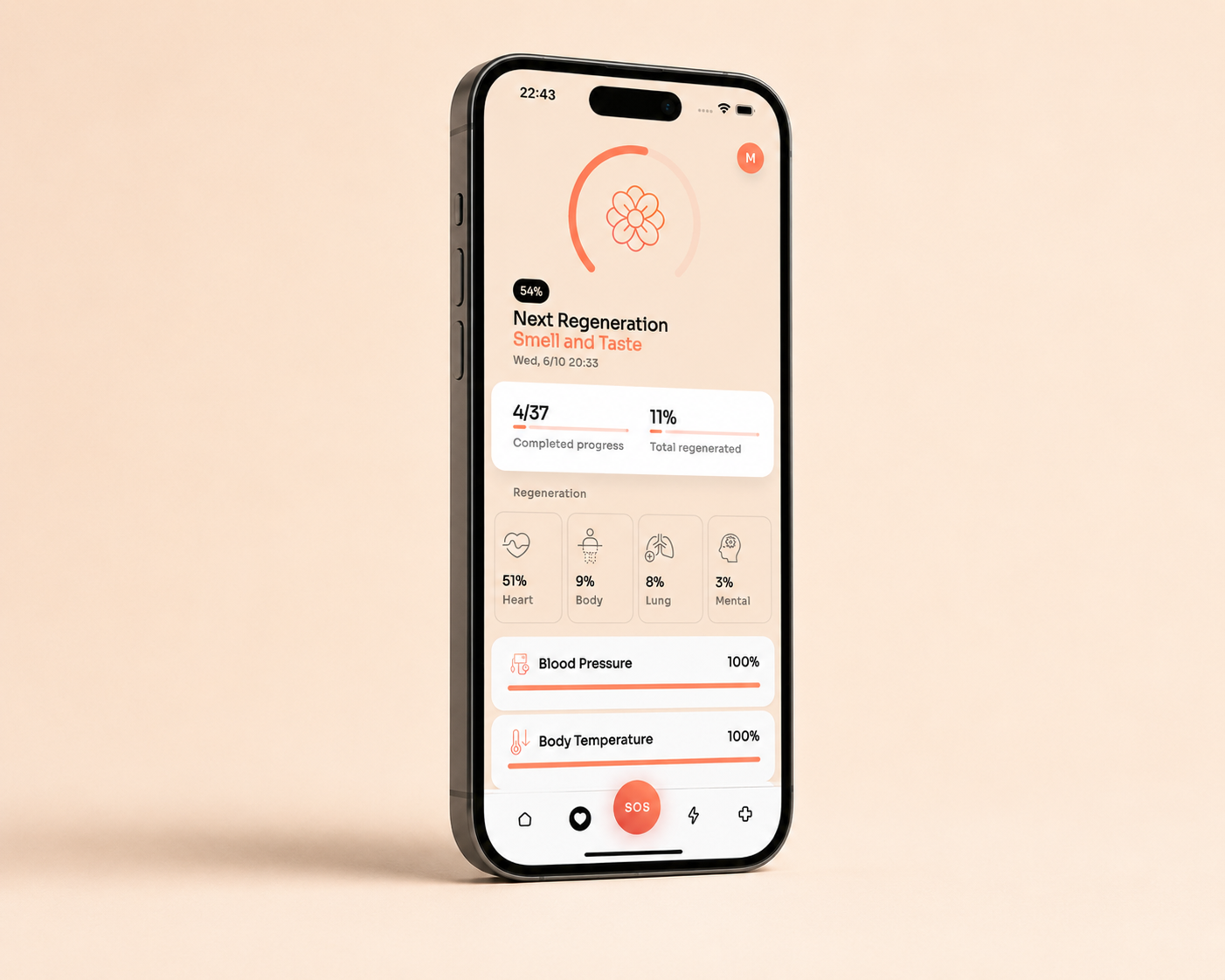
Flamy was built from quit-smoking experience, behaviour strategies and user feedback. The app guides you step by step through every phase of withdrawal – with instant help for the hard moments.
Acute physical symptoms usually last 3 to 14 days, peaking between day 2 and 3. After a few days, most nicotine has been cleared. Psychological cravings can persist for several months – but for many people they become weaker and less frequent over time.
The most common are: cravings for cigarettes, irritability, trouble concentrating, sleep problems, increased appetite, headaches and increased coughing. Not everyone gets all symptoms – most smokers know 4 or 5. Intensity depends on how long and how heavily you smoked.
Physical withdrawal is often most intense between day 2 and day 4. After that, symptoms usually become easier to manage. Many people notice clear relief during the first week, even if cravings can still appear later.
Three instant moves: 1. Drink a big glass of water. 2. Do 4-7-8 breathing (4 sec in, 7 sec hold, 8 sec out). 3. Step outside, ideally for a 10-minute walk. Craving waves usually pass again – often within 3 to 10 minutes.
Some people gain weight after quitting, often because appetite changes and snacks replace cigarettes. Planning meals, keeping high-protein snacks ready and adding regular movement can help keep weight gain limited.
Yes – for many smokers, nicotine patches or gum can reduce physical withdrawal symptoms and improve the chances of quitting, according to Cochrane reviews. They mainly support the physical side; an app like Flamy can add structure for routines, triggers and motivation in everyday life.
Yes, many people quit from one day to the next. The key: plan the day, remove cigarettes and lighters, and have an emergency plan for the first 72 hours. An app like Flamy helps you do exactly that.
Digital programs can support quitting, especially when they provide concrete strategies, reminders and instant help for critical moments. Apps like Flamy do not replace medical advice, but they make progress and risk moments visible in everyday life.
You don't have to do this alone. Flamy supports you from your first craving to your 1-year anniversary – free and right in your pocket.
Start the addiction quiz →