Cadmium
Heavy metal from the battery — heavy metal in the kidney.
At a glance
- Also known as
- Cd
- CAS number
- 7440-43-9
- Toxicity
Very high
- Carcinogenic
- Yes — IARC Group 1
- In cigarette smoke
- 1-2 μg per cigarette (DKFZ)
- In vape aerosol
- leaches from cheap heating coils (varies)
What is Cadmium?
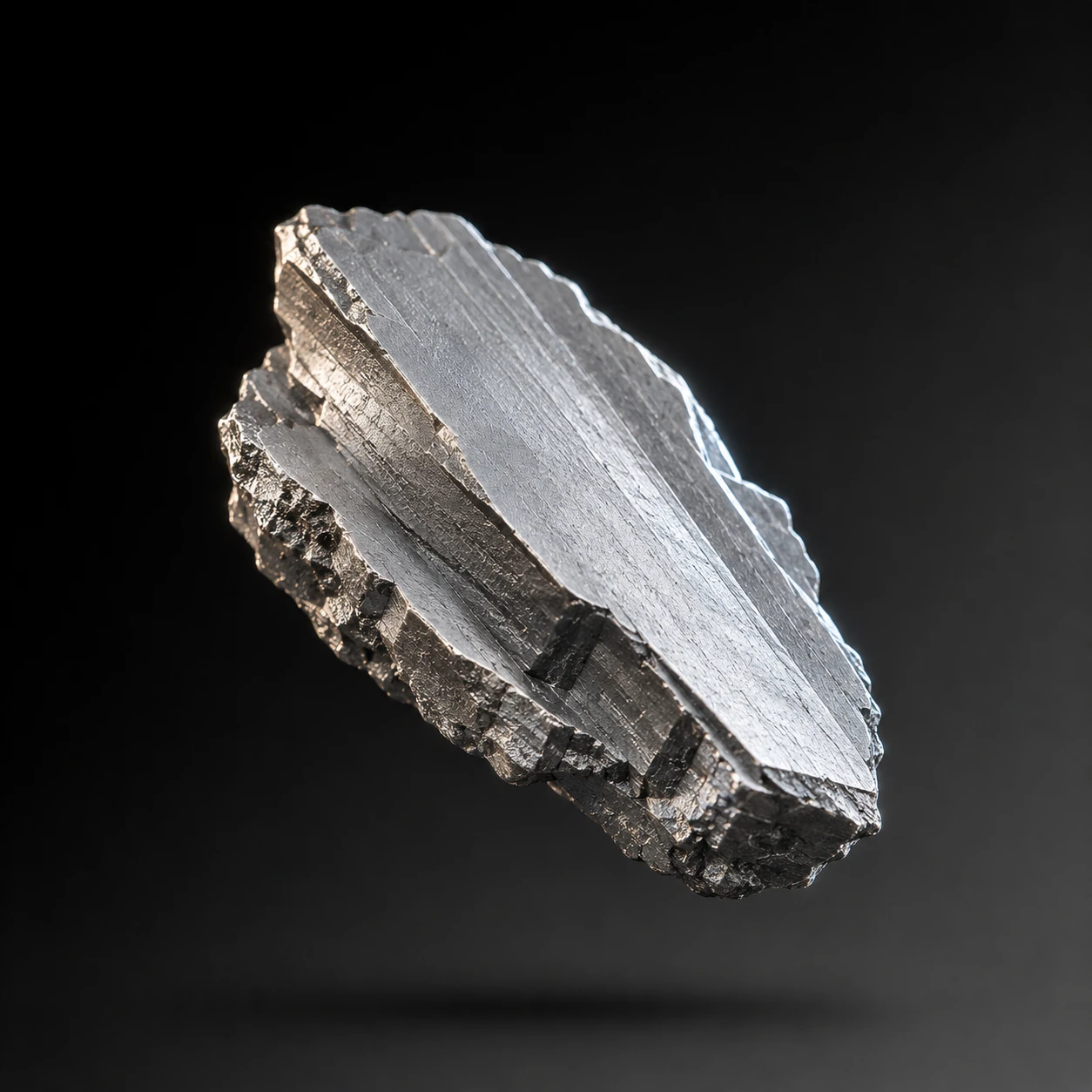
Cadmium is a silvery-shiny heavy metal with a low melting point. The IARC has classified cadmium and its compounds as „carcinogenic to humans“ (Group 1) since 1993. It enters the tobacco plant via the roots and accumulates particularly in the leaves — combustion releases it as fine aerosol directly into the lung.
Why is Cadmium in cigarettes?
Tobacco is botanically an excellent cadmium accumulator — it pulls the metal from soil far more efficiently than most other crops. Phosphate-rich fertilisers, often with elevated cadmium content, amplify the effect. Cigarette smoke contains 1 to 2 micrograms of cadmium per cigarette — smokers on average have twice as high blood cadmium levels as non-smokers.
What Cadmium does to your body — short term
Short-term cadmium intake from cigarette smoke causes no noticeable symptoms. Cadmium is a typical cumulative toxin: well absorbed via the lung, bound to albumin in blood and transported to the liver where it's stored as cadmium-metallothionein. From these depots it slowly distributes — mainly to kidney and bones, with a biological half-life of 10 to 30 years.
What Cadmium does long term
The main target organs of chronic cadmium exposure are kidney and bones. In the kidney it damages tubular cells, leading to proteinuria and kidney failure. In bones, cadmium displaces calcium and makes them brittle — at extreme exposure historically observed as Japan's „Itai-Itai“ disease. Add to this the IARC-confirmed risk of lung cancer and suspected prostate and kidney cancers.
Where else do you know Cadmium from?
Cadmium is what you know from NiCd rechargeable batteries — which, because of exactly this toxicity, have been progressively banned in the EU since 2006. It's also used in pigments for red-orange plastics and artist paints and in some hard solder alloys. Its hazardous waste disposal requirement speaks for itself.
How it compares
Germany's workplace acceptance concentration for respirable cadmium is 0.001 mg/m³ (TRGS 910) — a very strict value. Even the small amounts from a cigarette land in the biologically most active region of the lung and are absorbed at much higher rates than via oral intake.
Workplace exposure limit: 0.001 mg/m³ alveolengängig (Akzeptanzkonzentration TRGS 910)
Related substances
These substances you want out of your body.
Flamy walks you through quitting, step by step.
Download the Flamy app